
As customer safety remains a top priority in California’s booming hospitality industry, servers and sellers of alcohol will likely notice a considerable transformation in the way the Golden State trains servers and sellers of alcohol. This is because of a statistical rise in drink spiking and predatory behavior in bars, nightclubs and other venues where alcohol is sold, served or consumed.
This frightening trend has prompted California state lawmakers, safety officials and advocacy groups alike to reassess RBS training procedures. This is being done in an attempt to establish more robust preventative measures when it comes to drink spiking and other nefarious behavior. It’s a bold but necessary move that clearly reflects the state’s commitment to patron safety and public health. Let’s take a deeper look into the evolution of California’s RBS Training against drink spiking and on-site predatory behavior.
The Changing Landscape of Alcohol Consumption and Related Risks
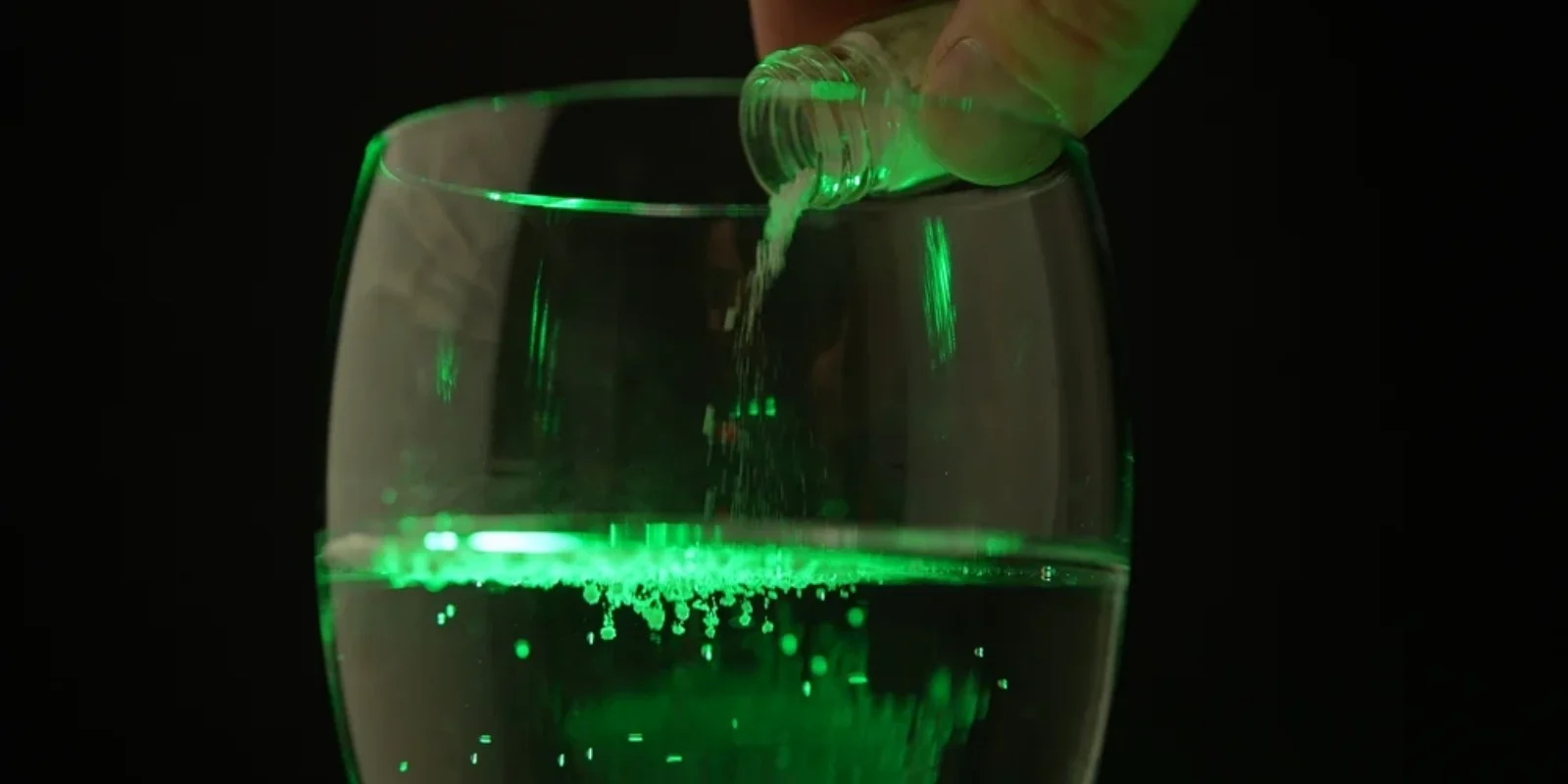
What is “drink spiking?” This is the act of purposely or surreptitiously adding drugs or extra alcohol to someone’s beverage without their knowledge or consent. For the most part, people associate this sort of behavior with “roofies” or Rohypnol. Rohypnol is often sold as a sleep aid in other countries, but because of the obvious potential for misuse, it is illegal in the United States. However, this is not the only anti-anxiety medication or sleep aid used by predators.
What defines predatory behavior? Don’t be fooled by how the law applies this word when it comes to arresting “predators.” From the perspective of law enforcement, the term is contextual but in a barroom setting, it can be very specific. As it regards a nightlife, restaurant or bar setting, RBS training now specifically addresses behavior that is consistent with drug-facilitated assault and what is called “exploitative conduct.” Any bad actor is the predator.
How Does a Predator Operate in a Nightlife Setting?
Predators must operate unnoticed. They know how to use the veil of dimly lit rooms, bars or settings to ease their way through a crowd and spot potential victims. They rely on targets who appear intoxicated and vulnerable or otherwise inattentive. If the intended victim is alone or separated from a group, this makes the target more vulnerable and, thereby, more attractive to those predators.
All it takes is a quick moment, some clever diversion that distracts the target from their drink. Once the deed is done, the predator will observe and then “groom” the victim into trusting his or her “newfound” friend. Trust often comes easy to those who are under the influence of an unknown substance.
It’s also important for staff members to know how one might be affected by drink spiking. Victims may experience a wide range of effects depending on what has been placed into the drink. Those symptoms can include feeling woozy or drowsy, mental confusion, memory loss, loss of inhibitions, nausea, vomiting as well as breathing problems and/or muscle spasms or seizures. A list of other symptoms can be found here.
What is RBS Training and How Does It Address Drink Spiking
Responsible Beverage Service training is an educational program created by a California mandate for those who work or seek work as servers, sellers and managers in the alcohol service industry. The state designed this program to minimize risks associated with overconsumption of alcohol in or around publicly licensed venues. Generally speaking, the curriculum puts a strong emphasis on recognizing signs of intoxication, understanding liability issues and preventing sales of alcohol to minors.
However, with this disturbing new trend on the rise, RBS training now includes tips on how to identify patterns or suspicious actions around drink spiking. Alcohol sellers and servers will also be trained to recognize when a patron shows signs of impairment inconsistent with alcohol alone. Certified staff members will then be trained to intervene in ways that prioritize safety.
Staff members with a RBS ID will also be made aware of the variety of substances used in drink spiking and the effects and signs that someone may be under the influence of those substances. Guidance will also be provided when it comes to knowing how to compassionately respond to a suspected victim. This includes removing, and reporting, the threat and seeking medical assistance for the victim.
The Impact of Hospitality Industry Professionals
This update to RBS training will enhance awareness for already certified bartenders, servers and managers. Additionally, this new training will underscore the importance of teamwork and communication among staff members if a situation surfaces. Managers will also be trained to play a key role in reinforcing these new procedures by way of ongoing education and routine safety briefings.
By equipping these staff members with the ability to recognize drink spiking and other predatory behaviors, patrons will feel safer and will be able to enjoy their time among family and friends. This adds not only a level of safety to a licensed venue but it will also enhance an owner’s brand and reputation as an establishment that puts patron safety first and foremost.
RBS Training and California’s War on Drink-Spiking Predators
As awareness of drink spiking and predatory behavior grows, it is very likely that other states will implement new programs that parallel today’s RBS training standards. If you are looking to break into the hospitality industry in California and need your RBS certification, then enroll here and complete your training in under two hours. American Course Academy’s affordable, state-approved training programs are offered in both English and Spanish across any number of internet-ready devices.